Food
Salt earlier than you think
Seasoning at the end fixes the surface. Seasoning as you go fixes the food. The difference is bigger than any ingredient you could buy.
If one habit separates food that tastes professional from food that tastes homemade, it is when the salt goes in. Not how much. When.
Salt at the end only seasons the outside
Salt needs time and moisture to move. Sprinkled on a finished dish it sits on the surface, and you taste it as a sharp hit rather than as seasoning. Added early, it dissolves, spreads, and changes the ingredient itself: it draws out water, firms proteins, softens vegetables and pulls flavour outward.
That is why a steak salted forty minutes ahead tastes seasoned all the way through, while the same steak salted at the table tastes salty on the first bite and bland on the second.
When to add it
- Meat: at least 40 minutes before cooking, ideally the night before, uncovered in the fridge. This also dries the surface, which is what gives you a proper crust.
- Vegetables: as they hit the pan, so they release water and brown rather than steam.
- Pasta water: properly salty, roughly 10 g per litre. It is the only chance the pasta itself gets.
- Onions: a pinch as they start softening. They will collapse faster and sweeter.
- Soups and braises: lightly at the start, then adjust at the end. Season a reducing liquid fully at the beginning and it will be inedible by the time it is done.
- Beans and pulses: yes, from the start. The old advice about tough skins has been tested to death and does not hold up.
Taste at every stage
The real skill is not measuring, it is checking. Taste when the onions are soft. Taste when the liquid goes in. Taste before it comes off the heat. Three small corrections beat one large guess.
Know your salt
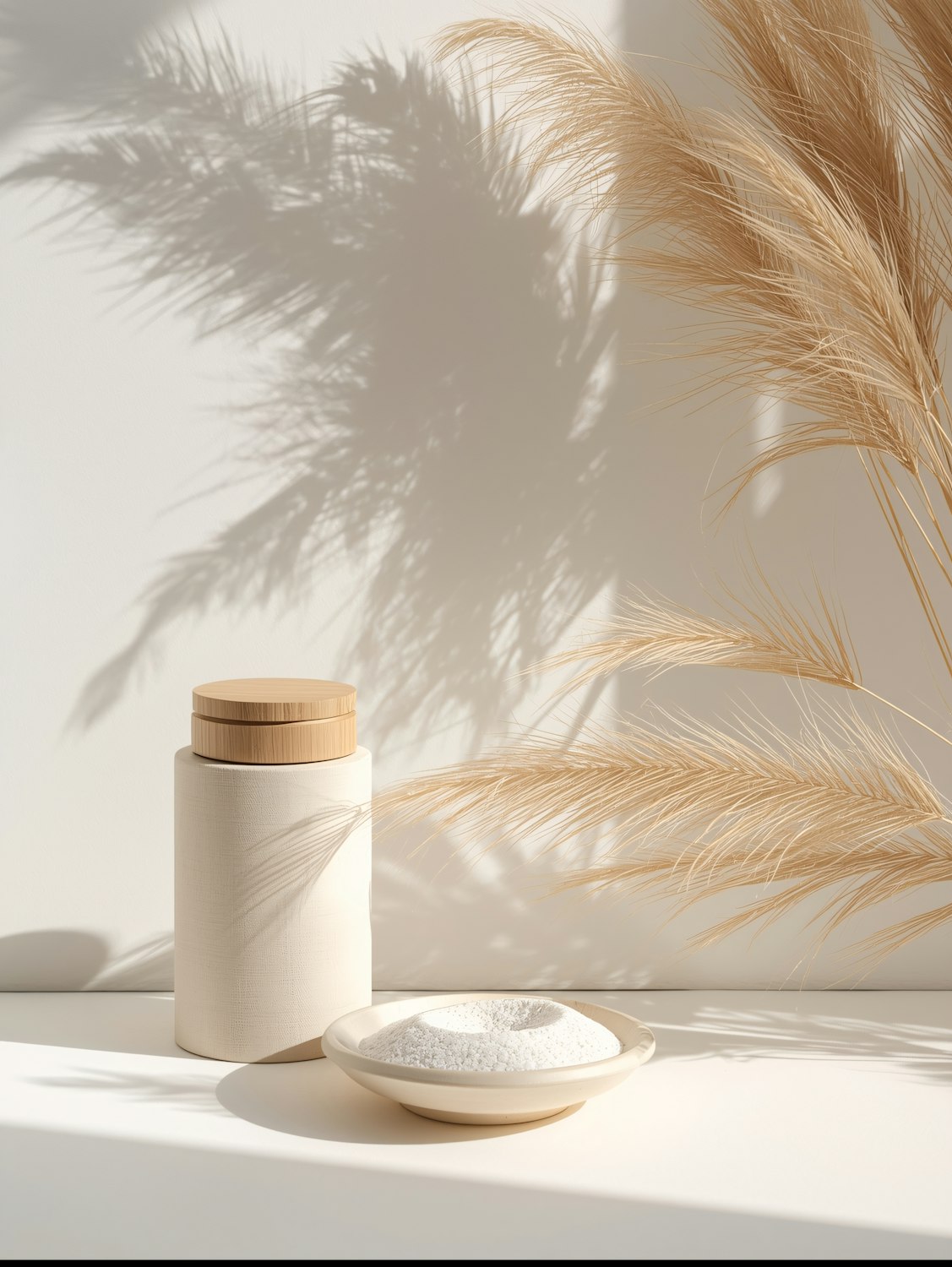
A gram is a gram, but a teaspoon is not a teaspoon. Fine table salt is far denser than flaky sea salt, so the same spoonful can be twice as salty. Pick one salt for cooking, use it for everything, and your hand will calibrate itself within a fortnight.
Keep a flaky salt separately for finishing, where you want the crunch and the sharp hit on purpose.
If you have oversalted
Do not add water, it dilutes everything else too. Add bulk instead: more potato, more beans, more stock, more of whatever the dish is mostly made of. Failing that, acid and fat both mask salt effectively. A squeeze of lemon or a spoon of yoghurt will rescue more dinners than any other trick.
Nora Vidal
Founder and editor