Coffee
The 4:6 method, without the stopwatch anxiety
Tetsu Kasuya's competition recipe gets treated like a ritual. It is really just two dials: sweetness and strength. Here is how to turn each one.
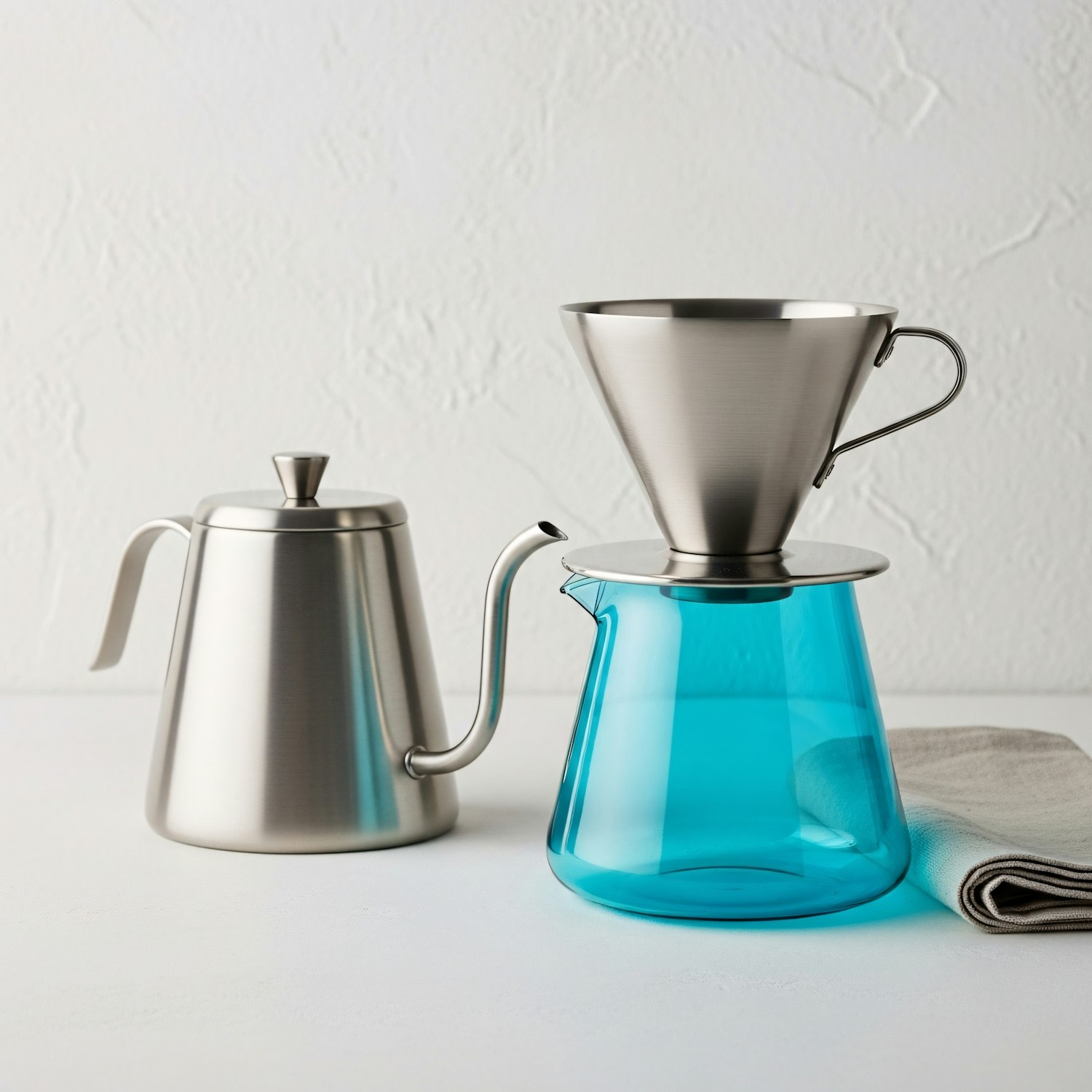
Most pour-over guides hand you a number and walk away. The 4:6 method is better than that, because it tells you why each pour exists. Once you know which pour does what, you stop chasing a stranger's recipe and start brewing to your own taste.
The whole idea in one paragraph
Split your water into two parts. The first 40% sets sweetness and acidity. The last 60% sets strength. That is it. Everything else is bookkeeping.
For 20 g of coffee and 300 g of water, that means 120 g across the first two pours, and 180 g across the rest.
The first 40%: your flavour dial
Pour 120 g in two goes. The split between them is the decision:
- 60 g, then 60 g gives you a balanced cup.
- 50 g, then 70 g leans sweeter and rounder.
- 70 g, then 50 g leans brighter and more acidic.
If your coffee tastes thin and sharp, shift weight toward the second pour. If it tastes flat and syrupy, do the opposite. One variable, one direction.
The last 60%: your strength dial
The remaining 180 g gets divided into two, three, or four pours. Fewer pours means a faster drawdown and a lighter cup. More pours means more contact time and a heavier one.
Three pours of 60 g is a sensible starting point. If the cup feels weak, go to four smaller pours next time. If it tastes harsh or drying, go to two.
Grind coarse, and stop watching the clock
This method works with a coarser grind than you probably use, closer to sea salt than caster sugar. That is deliberate: the extra pours already give you contact time, so the grind does not have to.
Total brew time will land somewhere around three and a half minutes. Not landing exactly there is not a failure. The clock is a symptom, not a target. Taste the cup, pick the dial that matches the problem, and change only that one next time.
A starting recipe
20 g coffee, 300 g water at 92°C, coarse grind. Pour 60 g, wait 45 seconds. Pour 60 g, wait 45 seconds. Then 60 g every 45 seconds until you hit 300 g. Serve without stirring.
Brew it three times before you change anything. Most brewing frustration is really just an unstable baseline.
Nora Vidal
Founder and editor